
Reversing the stereotype
Skyla tells us how the media can stereotype young people in care and how the reality is very different
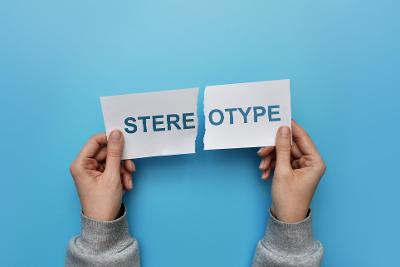
What is a stereotype?
"A stereotype is a harmful and sometimes offensive way someone or something is portrayed. Common stereotypes about people include stereotyping their:
- Religion
- Sexuality
- Race
- Gender
- Hair colour
- Age
"Although there are many different stereotypes, the ones I would like to shed light on here are the stereotypes of kids in care within the media; my focus being Tracy Beaker and The Dumping Ground.
"The problem with The Dumping Ground series is its many unrealistic depictions of what living in a children's home is really like. From the small things, where many children's homes (including the one I live in) would never have over 10 children supervised with only two adults and the age range would never be from 5-18. These are unrealistic situations which wouldn't ever happen. There's a kid in one episode who is violent - which although may be true to life, it is always a harmful stereotype of kids in care and they are always framed in this way.
"I feel like in Tracy Beaker, there are scenes which are over-dramatised. There is a repetitive scene where she thinks anytime the door opens or a car pulls up, it is her mum arriving. Again, for some children, this may be true but for some it's not, and I personally think it's a damaging stereotype for kids to see on screen. There are also nicknames, such as Elaine the Pain, which are given to the social workers. I know a lot of young people don't get along with their social workers, but a lot of us do.
"TV and film can give a negative view, and a lot of kids watch it because it's the only portrayal we have. I've been asked at my school if my children's home is like Tracy Beaker or The Dumping Ground, which makes me feel angry if that's how other children who haven't grown up in care think it's like. I think something should be done differently about how kids in care are portrayed.
"It's time to show the reality of the experience, where we are always moving around and that many children aren't in the same place up until they are 18. People in care have so many different characteristics about them, not just them being in care.
"There are lots of other things about them that makes them who they are and I think it's important that:
- People know how kids in care actually feel and what a kid in care's life is actually like
- Stories aren't just brushing over everything that the kid has gone through
"In the theatre project, we started the play with a scene where all the kids in care have the same programme and labels. People see young people in care through simplified labels. Labels like anger issues, troubled, useless, and naughty. We need to reverse the stereotype and portray people in a human way.
"We ended the play by doing just this, and replaced these labels with helpful, nice, and caring.
"It matters to see people on screen with the real lived experience of growing up in care.
"Actors who play the kids in care are not from the care experienced background.
"I feel like if I could have a TV show about kids in care and their experiences of life in care then I feel like we could flip the perspective from negative to positive!"


