
Living above a business
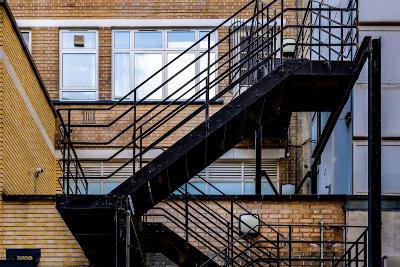
If you are an owner or responsible person for small business premises where people sleep, you must carry out a fire risk assessment - this is the law. This ensures that people can escape quickly and safely during an emergency.
There have been a number of fires in businesses in Norfolk such as fast-food outlets, pubs, takeaways, cafes and restaurants where upper floors are being used for sleeping accommodation. These fires can result not only in significant financial loss, but a high risk of injury to those in the premises. In many cases people are sleeping in rooms or flats above businesses that are accessed by a single, unprotected staircase from the main public or kitchen area of the building, such as in this image:

Often, the exit routes are blocked with materials that can catch fire. People sleeping on upper floors find it difficult to evacuate quickly and safely in an emergency unless a safe exit route is available.
By having the right fire safety arrangements in place, you can protect not only the lives of yourself, your family, tenants, employees and customers, but also your property and your business.
Fire safety
The Fire Safety Order (the Regulatory Reform (Fire Safety) Order 2005) requires owners and responsible persons to take steps to protect the people using your premises from the risk of fire.
You must do this by:
- Carrying out a fire risk assessment
- If necessary, improving your fire safety measures
- Keeping the risks, and your fire safety measures under review
What is a fire risk assessment?
All businesses must carry out a fire risk assessment. It is a thorough look at your premises and the people who are likely to use them. It considers the risk of fire breaking out and what measures you need to put in place to prevent it and keep people safe. Visit Fire risk assessment to find out more.
We may inspect your premises, or a customer or someone working for you may notify us if they feel at risk. If we think you need to improve your fire safety, we can give you advice on what measures may be appropriate for you to take and agree a time period for you to make the improvements.
We can also take formal legal enforcement action if you fail to do this, or if we find a serious fire risk that you are not managing, we may restrict the use of part, or all of your premises until it is made safe.
Reduce the dangers
- Fit fire alarms that are linked together to provide early warning of fire throughout the building
- Keep escape routes clear from combustible material and other obstructions
- Never wedge open fire doors or remove door closing devices (a fire door can only protect you if it is kept closed)
- Protect/separate staircases with fire resisting construction to ensure your exit route is safe
Make sure your family or tenants and employees know how to:
- Get out of the building in the event of fire
- Call the fire and rescue service
Complete your fire risk assessment
STEP 1: Identify fire hazards
STEP 2: Identify people at risk
STEP 3: Evaluate, remove or reduce and protect from risk
STEP 4: Record, plan, inform, instruct and train
STEP 5: Review your fire risk assessment regularly
Visit Fire risk assessment for more information.


