
Battery Energy Storage Systems (BESS): Information for Safe Planning and Development
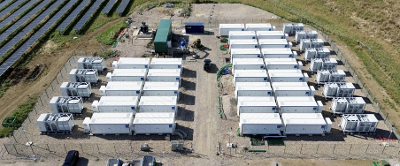
Battery Energy Storage Systems (BESS) play an increasingly important role in supporting the UK's transition to cleaner and more resilient energy networks. Whether used at grid scale or as part of small industrial installations, modern BESS sites are engineered to be safe, efficient, and highly regulated. When designed and managed correctly, they provide a reliable way to store renewable energy with minimal risk to surrounding communities.
As a non‑statutory consultee, Norfolk Fire & Rescue Service (NFRS) reviews planning applications for BESS installations over 1 MWh, in line with the National Fire Chiefs Council (NFCC) BESS Guidance (Version 2, February 2026) and relevant international standards such as NFPA 855. Our aim is not to support or object to proposals, but to ensure that appropriate fire safety measures are considered from the earliest stages of development. This helps minimise risk, support safe operation, and improve emergency planning.
Design and Safety Expectations
Modern BESS installations are designed with multiple layers of safety. NFCC and NFPA guidance emphasise open‑air layouts using non‑combustible modular containers, which are purpose‑built to house battery systems safely. Containers should be accessible externally and sized in accordance with NFPA 855 when internal access is required. The separation of enclosures—supported by testing evidence—helps ensure that a failure in one container does not spread to another.
Spacing between equipment, avoiding vertical stacking, and maintaining clear routes for fire service access are essential features of safe site design. Separation distances from occupied buildings, appropriate vegetation management, and clearly marked emergency access points all play a role in ensuring both operational safety and long‑term resilience.
Detection, Monitoring and Suppression
One of the most effective safety measures is the incorporation of sophisticated Battery Management Systems (BMS). These systems continuously monitor conditions such as temperature, gas release, and early indications of cell failure. While thermal runaway events can sound concerning, it is important to note that modern detection systems are specifically designed to identify such conditions well before they become hazardous.
Additional safety features include:
- Smoke, heat, and flammable gas detection
- Appropriate suppression systems for the battery technology used
- Automated isolation and controlled shutdown mechanisms
- Audible and visual on‑site alarms
These systems work together to prevent escalation and ensure safe response procedures.
Access, Water Supplies and Environmental Measures
Safe BESS design includes appropriate access routes for emergency vehicles, hydrants capable of supplying 25 L/sec for two hours, and suitable water storage arrangements where required. Containment features—such as bunds, interceptors, and controlled drainage—help ensure any firefighting runoff is managed responsibly and without environmental impact.
Developers should also prepare:
- A risk reduction strategy
- An emergency response plan, produced with NFRS
- An environmental impact and runoff plan
- A transport plan for construction and operational phases
These measures help ensure sites are well‑managed throughout their lifecycle.
A Safe Future for Energy Storage
BESS installations, when designed in accordance with NFCC and NFPA guidelines, provide a safe and essential component of the future energy system. A well‑planned site with modern monitoring and fire safety measures presents a very low level of risk and brings significant benefits to local and national energy resilience.
If key recommendations are not addressed or justified through alternative measures, developers should be aware that emergency response outcomes may be affected.
NFRS encourages early engagement with our teams to ensure every site is designed to the highest standards of safety and operational readiness.
Other Agencies Involved in Safety and Regulation
In addition to the role of NFRS, several national regulatory bodies may also be involved in assessing the planning, environmental management, and ongoing operational safety of Battery Energy Storage Systems
These include:
Health and Safety Executive (HSE)
The HSE provides guidance and oversight on electrical safety, major accident prevention, and the safe operation of battery energy storage systems.
Further information: Grid-scale battery energy storage systems - HSE
Environment Agency (EA)
The Environment Agency may review elements such as environmental protection measures, pollution control, surface water management, and the handling of any potential fire‑water runoff.
More information: Environment Agency - GOV.UK
Government Guidance on Grid‑Scale Sites
The UK Government has issued specific guidance on the health and safety considerations for grid‑scale electrical energy storage systems, covering site layout, fire safety, and regulatory expectations.
Guidance available at: Grid scale electrical energy storage systems: health and safety - GOV.UK


