
Fire safety requirements for educational premises
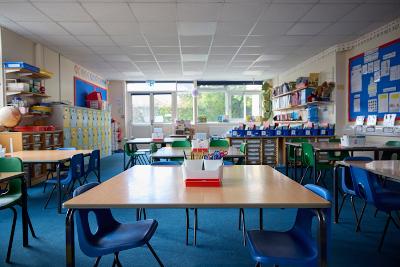
The responsible person (RP) for all educational premises has a legal responsibility to comply with the The Regulatory Reform (Fire Safety) Order 2005.
This includes:
- Schools
- Colleges
- Universities
- Sunday schools
- Academies
- Crèches
- Adult education centres
- After-school clubs
- Outdoor education centres
- Music schools
Both purpose-built buildings and those converted for these uses.
The RP makes sure that:
- The premises comply with fire safety law
- Fire risk assessments are carried out
- Suitable and sufficient precautions are taken to keep those premises safe for occupants
Fire safety
Who is responsible for fire safety?
The responsible person (RP) is responsible for fire safety in businesses and non-domestic premises, including:
- All workplaces and commercial premises
- All premises the public have access to
- The communal areas of multi-occupied residential buildings
The RP may be:
- An employer
- The owner
- The landlord
- An occupier
- Someone else with control of the premises
The RP can be an individual or an organisation - for example, a limited company - who then appoints members of staff or external contractors to carry out duties to ensure the fire safety of the building. These appointed persons then become 'duty holders'.
Find out more about duty holders.
Find out more about the responsible person.
Fire safety considerations
The RP must have a suitable and sufficient fire risk assessment conducted and consider:
- How to reduce the risk of fire - eg removing or reducing ignition sources, electrical testing etc
- How to reduce the risk of arson - visit Arson reduction for more information
- How to reduce the development and spread of fire. Can the quantity of flammable materials be reduced and or separated from ignition sources?
- Who is at risk? - Employees, general public, visitors
- Means of giving warning - how will any fire be identified and occupants alerted?
- Means of escape - how will people escape the building in the event of fire or emergency without needing any keys, and how will that route be lit if the power fails?
- Means of fighting fire - what fire extinguishing media is required or provided and what is the expected use from occupants?
- Information to occupants - how will occupants be made aware of what to do in the event of fire or emergency?
- Staff training - what training is provided to employees to enable them to carry out what is expected in the event of fire or emergency?
- Recording all considerations and outcomes - what measures have been taken? Checks, testing and maintenance records, training records
To support you in recording the checks, testing and maintenance of fire safety measures, we have provided this template: Fire Log Book (PDF, 361 KB)
Kitchen extraction systems
If your business operates a kitchen, visit Kitchen extraction systems for more information about fire safety requirements.
What is a fire risk assessment?
A fire risk assessment is an organised and ordered look at your entire premises, with the aim to lower the risk of fire to as low as reasonably practicable. The fire risk assessment should consist of the following:
- Identify the fire hazards
- Identify people at risk
- Evaluate, remove or reduce the risks
- Record your findings, prepare an emergency plan and provide training
- Review and update the fire risk assessment regularly
It should consider:
- What activities take place there
- Anyone who might be affected by a fire at the premises, who is most vulnerable
- The likelihood that a fire could start
- What you can do so the risk of a fire is as low as possible
- How you will ensure the safety of people in and around the premises if a fire does start
The fire risk assessment will identify what needs to be done to and prevent fire, and keep you, your customers, staff, the public and your building safe.
For more information visit fire risk assessment.
Inspecting your premises
Norfolk Fire and Rescue Service inspects commercial and business premises. If we visit your premise, we will ensure that you have appropriate fire safety arrangements in place. We will check whether your premises complies with the government guidance.
We will inspect premises that are considered higher risk more often. We may also visit in relation to licensing, building regulations or complaints. This is to help protect you, your building, the environment, your staff, and customers.
Our inspectors will check that:
- The premises has a suitable and sufficient fire risk assessment in place
- The building has all fire safety requirements. This includes an appropriate detection and warning system, emergency plans, signage, and lighting. This is to:
- Detect and alert people in the event of a fire
- Assist people to evacuate as needed
- If there is a fire, the building will hold back fire and smoke to give people time to escape
- You, your staff and other relevant people know what to do if there is a fire
- You have an emergency plan on what to do if there is a fire, and that this information has been passed onto your staff and other relevant people
- You are doing everything to prevent fire in the first place and have identified fire hazards and people at risk. You have removed or reduced those hazards and risks as much as possible
- You keep records of what you do for fire safety, and keep your fire risk assessment up-to-date
Visit GOV.UK's Fire risk assessment page for more information.
Visit Preparing for and dealing with an emergency for more information.


