
Residential Personal Emergency Evacuation Plans (RPEEPs)
New safety rules for some residential buildings from 6 April 2026
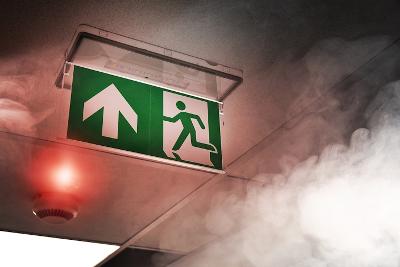
From 6 April 2026, new regulations come into force in England to help improve the safety of residents who may need support to evacuate their building in the event of a fire.
These changes are known as the Fire Safety (Residential Evacuation Plans) (England) Regulations 2025. They introduce a new process called Residential Personal Emergency Evacuation Plans (RPEEPs).
This page explains what RPEEPs are, who they apply to, and what residents can expect.
What is changing?
The new regulations require the Responsible Person for certain residential buildings (usually the building owner, landlord or managing agent) to:
- Make reasonable endeavours to identify residents who may struggle to evacuate without assistance during a fire
- Offer them a person-centred fire risk assessment
- Work with the resident (if they choose) to agree a simple emergency evacuation statement (the resident should still phone 999 in an emergency)
- Put in place reasonable and proportionate measures to support their safety
- Prepare a building wide emergency evacuation plan
- Share a small amount of essential information with the fire and rescue service - but only if the resident gives explicit consent
These changes apply from 6 April 2026.
Why are these changes being introduced?
After the Grenfell Tower Inquiry, the Government committed to improving evacuation arrangements for people whose ability to evacuate without assistance may be affected.
The aim of the new rules is to ensure residents who would need assistance to evacuate are identified, considered, and supported in a practical way.
Which buildings does this apply to?
The new duties apply to residential buildings in England that are:
- 18 metres or 7 storeys above ground level or higher, or
- Over 11 metres above ground level where a simultaneous evacuation strategy is in place (meaning everyone should leave the building if there is a fire, even if you are not directly affected by the smoke from the fire)
If you are unsure whether your building is included, your building owner or manager will be able to tell you.
Who is a "relevant resident"?
A relevant resident is someone who:
- Lives in the building as their only or main home, and
- Has a physical or cognitive impairment or condition that means they may be unable to leave the building without help during a fire.
Examples might include:
- Reduced mobility
- Hearing or sight impairments
- Long-term health conditions
- Cognitive conditions affecting awareness or decision making
A resident can appoint a representative or trusted person to act on their behalf if needed. Further information can be found in the Government's guidance for Responsible Persons.
What residents can expect
If you are identified as someone who may need support, your building's Responsible Person should:
1. Offer you a person-centred fire risk assessment
This is a conversation about:
- any challenges you may face should you need to evacuate your building in an emergency
- what arrangements might help improve your safety and help you evacuate your building quickly and safely in the event of a fire
You do not have to take part unless you want to.
2. Discuss possible measures
These will be reasonable and proportionate options based on the assessment.
Who pays for any changes depends on what is considered reasonable in each case. A resident cannot be made to pay for a measure if they do not want to or cannot afford to.
3. Agree an emergency evacuation statement (if you wish)
This is a short, written explanation of what you should do if there is a fire. You decide whether to agree to it.
4. Share minimal information with the fire and rescue service — only if you consent
This includes only:
- Your flat number
- Your floor number
- A basic indication of the assistance you might need
- Whether you have an evacuation statement
No medical or personal information is shared, and you may withdraw consent at any time.
5. Keep information up to date
Your assessment and arrangements should be reviewed by the Responsible Person at least every 12 months, or sooner if things change.
Duties of the building's Responsible Person (RP)
RPs must:
- Identify residents who may need evacuation support and invite them to participate voluntarily.
- Offer a Person‑Centred Fire Risk Assessment (PCFRA).
- Provide or arrange a Person‑Centred Fire Risk Assessment (PCFRA) when requested.
- Prepare with the resident, an emergency evacuation statement, including actions the resident should take and reasonable adjustments.
- With explicit consent, share essential evacuation information with the local Fire & Rescue Service.
Information to Be Provided to the Fire & Rescue Service
With resident consent, the RP must share the minimum necessary information required for operational response, such as flat number, floor number, and type of assistance needed.
Submitting Residential Personal Emergency Evacuation Plans (PEEPs) information
Responsible persons must provide Norfolk Fire and Rescue Service with Information about their Residential PEEPs (if the buildings are either a residential tall building or one that is over 11m tall with a simultaneous evacuation strategy).
You must provide full up to date details of these in a secure information box on site alongside the information supplied here. You must refresh this information annually.
RP's can Submit Residential PEEP information to Norfolk Fire and Rescue:
Submit Residential PEEP information
High‑rise RPs must also supply electronic floor plans, external wall details, and update the Fire & Rescue Service if firefighting lifts or equipment are defective.
Storing Residential PEEPs Information
All information must be stored securely and in line with UK GDPR principles. Data must be kept only as long as necessary, reviewed regularly, and deleted when no longer required. Only essential operational information should be accessible in secure onsite locations such as Secure Information Boxes; sensitive personal data must not be stored there.
What the fire and rescue service does
Your local fire and rescue service will:
- Receive the very limited information listed above - only with your explicit consent
- Only use this information to help them plan a safe and effective response if a fire in your building occurs (the resident should still phone 999)
- Keep your information secure and only use it to support the operational response to a fire
Fire and rescue services do not:
- Carry out the resident assessments
- Create evacuation statements
- Hold medical details
- Decide what mitigation measures are reasonable
- Mediate disputes between residents and Responsible Persons
About building wide evacuation plans
Every building covered by the regulations must also have a building emergency evacuation plan, which is the responsibility of the Responsible Person.
This should include:
- A copy of instructions to residents
- Whether there are relevant residents
- Any additional safety features in place (such as an evacuation alert system)
The plan must be shared with the fire and rescue service and reviewed every 12 months or sooner if needed.
Your choice, your consent
Residents' participation in the RPEEP process is entirely voluntary.
You decide whether:
- To take part
- To agree an evacuation statement
- Any information about you is shared with the fire and rescue service
- To withdraw consent later
Videos about RPEEPs
These videos explain recent changes for fire safety in residential buildings.
Find out more
For more information about the new regulations, you can visit the Government's official Residential Personal Emergency Evacuation Plans guidance pages.
This page provides general information and should not be taken as legal advice.


