
Public Health Norfolk urges older residents to feel connected

Social isolation is more than feeling lonely - it can affect physical health, mental wellbeing and brain health too. That is the message behind Norfolk County Council Public Health's new 'Feel connected' campaign, encouraging people over 50 to take one small step back into their communities.
Norfolk has one of the UK's oldest populations, many of whom live alone. Public health evidence links loneliness and social isolation with poorer physical and mental health, higher mortality and increased pressure on health and care services. Social isolation has also been linked with a higher risk of developing dementia.
The campaign is part of the County Council's wider healthy ageing initiative, 'It's never too late', which supports people in their 50s, 60s, 70s and beyond to stay independent, active and well as they get older.
It encourages people to start small - from arranging regular time with family or friends and chatting with neighbours to joining a local club, volunteering, or trying a new activity.
The new 'Feel connected' web page brings together practical local information, including clubs and groups, one-to-one support, volunteering opportunities, Norfolk Libraries events, Adult Learning courses, Men's Sheds, transport advice and digital skills support.
Councillor Scott Hussey, Norfolk County Council's Cabinet Member for Adult Social Care and Public Health, said: "Loneliness is a recognised global public health crisis and one of the biggest challenges facing our ageing population here in Norfolk. Elderly people who live alone and rarely go out are particularly at risk.
"Loneliness isn't just an emotional issue; it's a health issue. Long-term isolation and the feeling of loneliness can damage people's health, increasing the risk of serious conditions such as heart disease, stroke, and dementia.
"This campaign is about raising awareness and giving people in Norfolk practical ways to stay connected and stay well as they get older. Something as simple as a regular chat with a neighbour or joining a local club can make a real difference to both mental and physical wellbeing."
Dr Natalie Wyer, Associate Professor in Experimental Social Psychology at University of East Anglia, added: "As people grow older, they often start to pay extra attention to their physical health - screening for illness, being more careful about their diet and trying to stay physically active. It feels like common sense to say that the body needs extra care as we age. It might be less intuitive, but paying attention to the health of our social relationships is just as important.
"People can find it difficult to stay connected with others as they get older, especially when their work and caregiving routines change with retirement and children leaving home. That means that we need to form new social 'habits' to take the place of those that used to keep us socially engaged.
"Forming new habits of any kind is difficult and takes a conscious effort at first. Making small changes to your routine by adding in one or two opportunities to regularly connect with others - for example, through weekly meet-ups for coffee or a drink, joining a new fitness class, or anything else that brings you together with other people to do something you enjoy - can be a good way to get started."
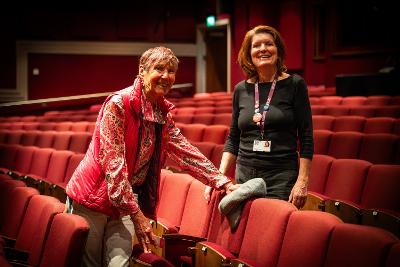
Janey Bevington, 77, from Whitlingham, has volunteered for around 25 years, including at Norwich Theatre, local festivals and in a charity shop.
Janey said: "I love being around people, and I'd have otherwise missed that social connection when I retired. It's good fun getting to meet people and feeling part of a community team. Voluntary work is incredibly rewarding.
"Sitting around at home can make you rather fed up, so volunteering with other people makes a big difference. I couldn't recommend it enough, especially if you live alone. You're never too old to take part."
People can find ways to stay socially connected at www.norfolk.gov.uk/feelconnected.


