

Motorcycle Safety in Norfolk
We share the road. We share the responsibility.
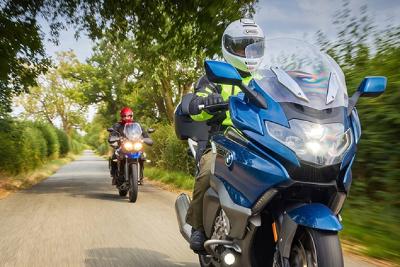
Every road user has a role to play in preventing serious and fatal crashes.
Motorcyclists are some of the most vulnerable people on our roads. They are more likely to be involved in fatal and serious injury collisions.
Most of these collisions across Norfolk happen in good conditions on dry roads, in daylight and fine weather. This tells us that the biggest risks can be the decisions we make, what we notice and how we respond to hazards.
Whether you're riding a motorcycle or driving a car, small actions can make a big difference:
- Be seen
- Look again
- Slow down
- Stay focused
Why this campaign matters
Motorcycle collision data from Norfolk shows that:
- Most motorcycle collisions involve another road user. This highlights the importance of interactions between riders and drivers.
- The most common contributory factor is "failed to look properly"
- Many collisions occur at junctions. This is where drivers and riders need to spot and correctly interpret each other's movements.
Understanding how we see and process hazards is an important part of staying safe.
Research shows that people:
- Often overestimate how much they see and notice while driving or riding
- Can miss important information even when they believe they are paying attention
We call this inattention blindness or change blindness.
Studies on "change blindness" found that drivers and riders can miss important visual information even when they believe they are paying attention.
Being aware of this can encourage you to slow down, take another look to interpret what you see and avoid making assumptions of what you expect to see.
What riders told us
More than 1,200 riders from across the Eastern region took part in a motorcycle safety survey.
Riders' responses highlighted 5 important themes:
- More than half reported experiencing a near miss in the last year
- One in five said that the thrill and enjoyment of riding can influence decisions
- One in six said their speed can increase without them realising
- Almost a quarter said frustration with other road users had affected their riding decisions
- More than a third identified extra training as the single biggest improvement they could make to their safety
This tells us good riders continue to learn, stay aware of how emotions affect decision-making and focus on improving their riding skills.
Good riders and drivers
What does a good rider look like?
Being a good rider is about making good decisions before and during every journey.
A good rider:
- Makes sure they can be seen
- Slows down and anticipates hazards
- Keeps learning and developing their skills
- Resets for every ride
- Leaves plenty of space
- Wears full protective clothing and equipment
- Does not speed
- Carries out regular checks on their motorcycle
- Stays focused and alert
- Avoids riding when tired, angry or distracted
What does a good driver look like?
Drivers play a vital role in protecting vulnerable road users.
Motorcycles are smaller than other vehicles sharing the road. They could be easier to miss, particularly at junctions and roundabouts.
Research shows that people do not always notice everything they think they do. This is why taking an extra moment to look and interpret what you see can save a life.
A good driver:
- Looks twice - once is not always enough
- Expects motorcycles at junctions and roundabouts
- Checks carefully before turning across traffic
- Judges speed and distance carefully
- Gives motorcyclists space
- Keeps learning
- Resets for every journey
- Carries out regular vehicle checks
- Stays focused and avoids distractions
- Never assumes a road is clear
Five small changes that can save a life
Keep learning
Training helps riders and drivers refresh good habits and identify and resolve risks earlier.
Slow down and think ahead
This gives more time for riders and drivers to spot and respond to hazards, making every journey safer.
Look twice
Motorcycles can be difficult to spot. When you complete a second look it can prevent a life-changing collision.
Stay focused
Recognise that tiredness, distraction, frustration and overconfidence can affect judgement and decision-making.
Protect yourself
Wear appropriate protective equipment in all weather conditions. This will reduce the severity of injuries if a crash occurs.
Training opportunities available for motorcyclists
As part of this campaign, we are offering the Hugger course at half price. This is for Norfolk residents, for sessions booked and delivered between August and October 2026.
Other motorcyclist training courses across Norfolk include:


Make a commitment today
Whether you ride or drive:
- Look twice
- Stay focused
- Keep learning
- Think ahead
- Respect other road users
We share the road. We share the responsibility
Campaign partners logos


